
Solar Panel Cleaning After a Hurricane: What South Florida Homeowners Need to Know

A hurricane just tore through South Florida, and after securing your home and checking on your neighbors, your next thought is your solar panels. Are they damaged? Are they still producing energy? Is that pile of leaves and branches causing harm right now?
You're right to be concerned. Post storm solar panel cleaning is one of the most time-sensitive maintenance tasks a solar homeowner faces. The longer storm debris sits on your panels, the greater the risk of permanent damage, reduced output, and costly repairs down the road.
At Blue Energy Electric, we've been helping South Florida homeowners protect their solar investments since 2012. With over 2 million watts installed across Palm Beach, Martin, St. Lucie, and Indian River Counties, we've seen firsthand what hurricanes do to solar energy systems - and we know exactly how to bring them back to full performance. Here's everything you need to know about hurricane solar panel cleaning and getting your system back online safely.
Safety First: Do Not Climb on Your Roof After a Storm
Before we talk about cleaning, we need to talk about safety. After a hurricane, your roof may have structural damage you cannot see from the ground. Loose tiles, weakened decking, standing water, and downed power lines all create serious hazards.
Never climb onto your roof to inspect or clean your solar panels yourself after a storm.
Here's why:
Structural damage - High winds can loosen roof tiles, shingles, and decking. What looks solid from the ground may not support your weight.
Electrical hazards - Storm damage can expose wiring or cause electrical faults within your solar energy system. Panels generate electricity whenever sunlight hits them, even if your inverter is off.
Slip and fall risks - Wet surfaces, scattered debris, and damaged gutters make rooftop work extremely dangerous after a storm.
Hidden panel damage - Cracked glass or damaged junction boxes can create shock hazards that only a licensed solar professional should assess.
Instead, do a visual inspection from the ground using binoculars or a phone camera with zoom. Look for obvious signs of damage: panels that have shifted, cracked glass, fallen branches sitting on the array, or mounting hardware that looks bent or displaced. Document what you see with photos and contact a licensed solar company for a professional assessment.
At Blue Energy Electric, our licensed technicians (Solar License #CVC56991, Electrical License #EC13014796) are trained to safely access, inspect, and service solar energy systems after major storms. That's what we're here for - let us handle the risk so you don't have to.
What to Check After a Hurricane

Even if your panels survived the wind and rain - and if they were installed to hurricane-rated standards (160+ mph wind resistance, like every Blue Energy Electric installation), they very likely did - there's still plenty that needs attention. Florida hurricane solar maintenance starts with a thorough assessment of several key areas:
Visible Panel Damage
Look for cracked or shattered glass, panels that have shifted out of alignment, or panels missing entirely. Even small cracks can let moisture penetrate the panel's interior and cause long-term electrical degradation.
Mounting Hardware and Racking
Check whether the racking system appears bent, lifted, or separated from the roof. Hurricane-force winds can stress mounting points even without displacing panels.
Inverter and Electrical Components
Your inverter may have tripped, shut down, or sustained water damage. Check your monitoring app (Enphase, for example) to see if your system is reporting errors or if panels have gone offline.
Surrounding Roof Condition
Your solar panels are only as secure as the roof beneath them. Look for missing tiles, exposed underlayment, or signs of water intrusion around the array.
Solar Panel Storm Debris
This is the big one. After a hurricane, your panels will almost certainly be covered in some combination of debris - and that debris needs to come off quickly. We'll cover exactly why in the next section.
Types of Storm Debris and Why They're a Problem
Hurricanes don't just bring wind and rain. They leave behind a mess of organic matter, sediment, and foreign objects that can seriously compromise your solar energy system. Here are the most common types of solar panel storm debris we encounter after storms in South Florida:
Leaves, Branches, and Palm Fronds
South Florida's tropical vegetation means your panels will likely be buried under leaves, small branches, and palm fronds after a major storm. These materials trap moisture against the panel surface and can block significant portions of your array from producing energy.
Sand and Dirt
Hurricane-force winds pick up massive amounts of sand and soil, depositing a thick, gritty layer across every exposed surface. Sand is particularly damaging because it can scratch the anti-reflective coating on your panels if wiped away incorrectly. This is one reason professional solar panel cleaning after storm events is so important - the wrong cleaning technique can cause more harm than the debris itself.
Organic Matter and Algae
Wet leaves and plant material that sit on panels for even a few days begin to decompose, creating a sticky organic film that is far harder to remove than fresh debris. In South Florida's heat and humidity, mold and algae growth can begin within 48 to 72 hours.
Roofing Materials and Foreign Objects
Shingles, tile fragments, metal pieces, and other windborne objects may land on or around your array. These can scratch, crack, or chip panel glass and need to be removed carefully to avoid further damage.
Standing Water and Sediment Pools
If your panels sit at a low angle or debris has created small dams along the panel frames, water can pool and deposit thick layers of sediment as it evaporates. This sediment bakes onto the glass in South Florida's sun and becomes extremely difficult to remove without professional equipment.
Why Immediate Post Storm Solar Panel Cleaning Matters
It's tempting to put solar panel cleaning at the bottom of your post-hurricane to-do list. But waiting even a week can turn a simple cleaning job into a much more expensive repair situation. Here's what happens when solar panel storm debris is left in place:
Trapped Moisture Causes Corrosion
Debris that holds moisture against your panels and frames accelerates corrosion of metal components, including the aluminum frame, mounting clips, and wiring connections. Once corrosion sets in, parts need to be replaced rather than simply cleaned.
Mold and Organic Growth
South Florida's humidity is relentless. Organic debris left on panels creates a perfect environment for mold, mildew, and algae growth. These organisms etch into the panel surface over time, causing permanent discoloration and reduced light absorption.
Hot Spots and Cell Damage
When debris covers part of a solar panel, the shaded cells stop producing energy while the exposed cells continue working. This creates an electrical imbalance known as a "hot spot," where blocked cells absorb energy instead of generating it. Hot spots cause localized overheating that can permanently damage solar cells and, in extreme cases, create a fire risk.
Reduced Energy Production
Even a thin layer of dirt or a single palm frond can reduce a panel's output by 15 to 30 percent. Across an entire array, the lost energy production adds up quickly - especially during the sunny months following hurricane season when your system should be generating at peak capacity.
Warranty Implications
Many manufacturer warranties require that panels be maintained in clean, unobstructed condition. Leaving storm debris in place for extended periods could be considered neglect, potentially complicating a warranty claim if damage is discovered later.
The bottom line: hurricane solar panel cleaning should happen as soon as conditions are safe. The sooner debris is removed, the less likely you are to face secondary damage.
Blue Energy Electric's Post-Storm Response Service
After 13 years serving Palm Beach, Martin, St. Lucie, and Indian River Counties, we know that South Florida homeowners need fast, reliable help after a hurricane. That's why Blue Energy Electric offers a dedicated post-storm solar response service that includes:
Priority Scheduling for Existing Customers - If we installed your system, you're at the front of the line. We maintain detailed records of every installation, so we already know your roof type, panel layout, and system specifications before we arrive.
Full System Inspection - Our licensed technicians inspect every panel, every connection, every piece of mounting hardware, and your inverter for storm damage. We check your monitoring data to identify any panels that have lost performance.
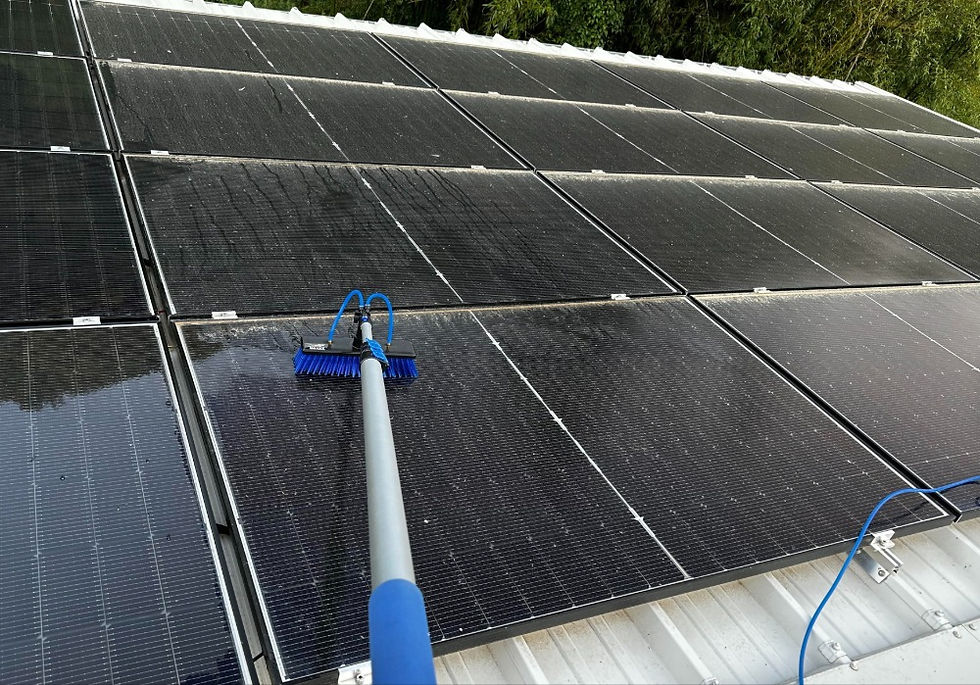
Professional Debris Removal and Cleaning - We use deionized water, soft-bristle brushes, and manufacturer-approved cleaning methods to safely remove all solar panel storm debris without scratching your panels or voiding your warranty.
Damage Documentation for Insurance - We photograph and document all storm-related damage with detailed reports that your insurance company needs to process your claim. More on insurance considerations below.
Repair Coordination - If panels, inverters, or mounting hardware need repair or replacement, we handle everything. Our SolarInsure SI-30 warranty covers your system for 30 years with a $0 deductible - fully transferable if you sell your home.
We're a local company with local technicians who live in the same communities we serve. When a hurricane hits, we're not flying in from out of state. We're already here, ready to help our neighbors get their systems back online.
Insurance Considerations for Hurricane Solar Panel Damage
Most homeowner's insurance policies in Florida cover solar panel damage caused by hurricanes, but the claims process has some nuances you should be aware of:
Document everything immediately. Take photos and video of your panels and roof from every accessible angle before any cleanup begins. This establishes the condition of your system right after the storm.
Contact your insurance company promptly. Most policies require you to report damage within a specific timeframe. Don't wait until your cleaning appointment to file.
Keep all service records. Blue Energy Electric provides detailed inspection and cleaning reports that serve as professional documentation for your insurance claim.
Understand your deductible. Florida hurricane deductibles are typically a percentage of your home's insured value (often 2 to 5 percent), not a flat dollar amount. Know what yours is before filing.
Separate cleaning from repair claims. Routine post storm solar panel cleaning is generally considered maintenance, not insurable damage. However, if debris caused actual panel damage, the cleaning, repair, and replacement costs are typically covered.
Having a licensed, documented service provider handle your florida hurricane solar maintenance gives your insurance claim significantly more credibility than DIY efforts or unlicensed contractors.
Hurricane Season Prep and Post-Season Cleanup
The best time to prepare for hurricane solar panel cleaning is before hurricane season starts. Here's how to protect your system year-round:
Before Hurricane Season (May - June)
Schedule a professional inspection to ensure all mounting hardware is secure and rated for 160+ mph winds
Trim overhanging trees and branches that could fall on your array during a storm
Verify your monitoring system is working so you can check panel performance remotely after a storm
Review your insurance policy to confirm solar panel coverage and understand your deductible
Clean your panels so they enter hurricane season at peak performance
During Hurricane Season (June - November)
After every major storm, do a ground-level visual inspection and contact your solar provider if you see debris or damage
Check your monitoring app for production drops that might indicate panel obstruction or damage
Don't attempt rooftop access until your area has been cleared and conditions are safe
Post-Season Cleanup (December)
Schedule a comprehensive solar panel cleaning after storm season ends to remove accumulated debris, salt deposits, and organic buildup from the entire hurricane season
Request a full system inspection to catch any damage that may have gone unnoticed during the season
Address minor repairs before they become major issues over time
Blue Energy Electric offers seasonal maintenance plans that cover pre-season preparation, post-storm inspections, and post-season cleanup across all four counties we serve. It's the simplest way to keep your system protected year-round.
Frequently Asked Questions
How soon after a hurricane should I have my solar panels cleaned?
As soon as it's safe to do so - ideally within the first week after a storm. The longer debris sits on your panels, the higher the risk of trapped moisture causing mold, corrosion, and hot spot damage. Blue Energy Electric begins scheduling post-storm appointments as soon as local conditions allow safe rooftop access.
Can a hurricane knock solar panels off my roof?
It depends on the quality of the installation. Solar panels installed to Florida building code standards are rated for wind speeds of 160+ mph. Every Blue Energy Electric installation meets or exceeds these standards. While extreme Category 5 conditions can challenge any structure, properly installed panels withstand the vast majority of hurricanes that make landfall in South Florida.
Should I turn off my solar energy system before a hurricane?
Yes. We recommend shutting down your system at the inverter and, if you have one, at the rapid shutdown switch before a hurricane arrives. This reduces electrical hazards during and after the storm. Your installer can walk you through the shutdown procedure for your specific system - call us anytime and we'll guide you through it.
Does my homeowner's insurance cover solar panel cleaning after a hurricane?
Standard post storm solar panel cleaning is generally considered maintenance and isn't typically covered by insurance. However, if storm debris caused physical damage to your panels, the repair and associated cleaning costs are usually covered under your homeowner's policy. Blue Energy Electric provides detailed documentation to support either scenario.
How much does hurricane solar panel cleaning cost?
Pricing depends on your system size, roof type, extent of debris, and accessibility. For most residential systems in Palm Beach, Martin, St. Lucie, and Indian River Counties, post-storm cleaning ranges from $200 to $500. Contact Blue Energy Electric for a free estimate - we'll assess your situation and provide an honest, straightforward quote with no hidden fees.
Get Your Solar Panels Back to Full Power
A hurricane is stressful enough without worrying about whether your solar energy system survived. At Blue Energy Electric, we've spent over 13 years helping South Florida homeowners protect, maintain, and restore their solar investments through every storm season.
If your panels need post storm solar panel cleaning, inspection, or repair, we're ready to help. Our licensed solar professionals serve Palm Beach, Martin, St. Lucie, and Indian River Counties with the same care and expertise we've delivered since 2012 - backed by our 30-year SolarInsure SI-30 warranty.
Solar License #CVC56991
Electrical License #EC13014796
13+ years serving South Florida
2M+ watts installed
Enphase Gold Installer | Tesla Powerwall Certified | REC Certified Solar Professional
Schedule Your Post-Hurricane Solar Panel Cleaning - Contact Blue Energy Electric for a Free Consultation


Comments