
Best Roof Types for Solar Panels in Palm Beach Gardens

Not all roofs are equally suitable for solar panels. In Palm Beach Gardens, your roof type plays a critical role in the ease, cost, and long-term value of a solar installation. Factors like material, slope, orientation, and lifespan all affect performance and ROI.
Since 2012, we’ve served as a licensed and certified solar installer specializing in residential rooftop systems across Palm Beach Gardens. With over a decade of hands-on experience in South Florida’s coastal climate, we know which roof types consistently support durable, high-efficiency solar installations.
In this guide, Blue Energy Electric outlines the best roof types for solar panels—based on local climate, roofing practices, and solar compatibility—so you can make an informed decision before installation.
Have questions? Call us at 772-232-6594
Or contact us online for a personalized assessment.
Which Roof Materials Work Best with Solar Panels?
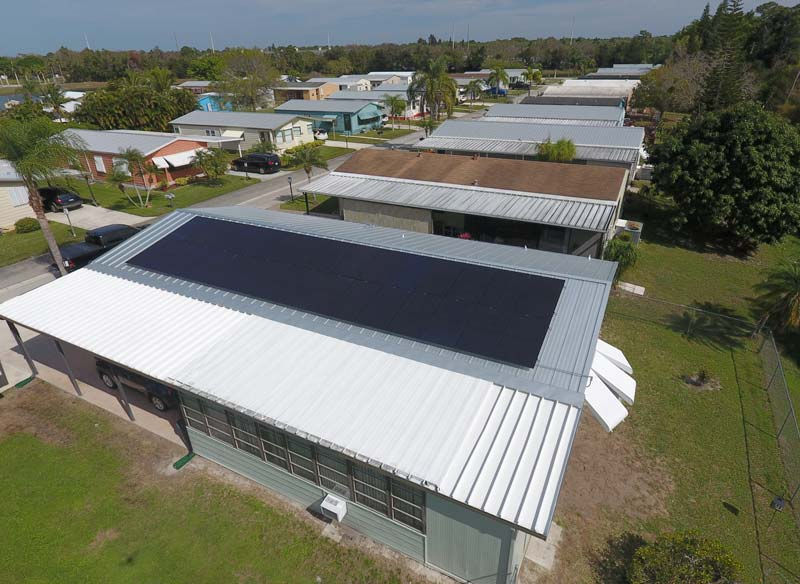
1. Metal Roofs: Best Overall for Long-Term Solar Investment
Metal roofs are among the most solar-friendly options in South Florida.
Lifespan: 40–60 years—longer than most solar panels (25–30 years)
Installation: Standing seam metal roofs allow for clamp-based panel mounts, which don’t require roof penetrations. This lowers leak risk and simplifies installation.
Durability: Metal holds up well in coastal humidity, rain, and wind.
ROI: Excellent due to minimized re-roofing and installation costs.
Why it’s ideal: With metal, you’re less likely to face costly panel removal due to roof replacement during the solar system’s lifetime.(Source, EnergySage)
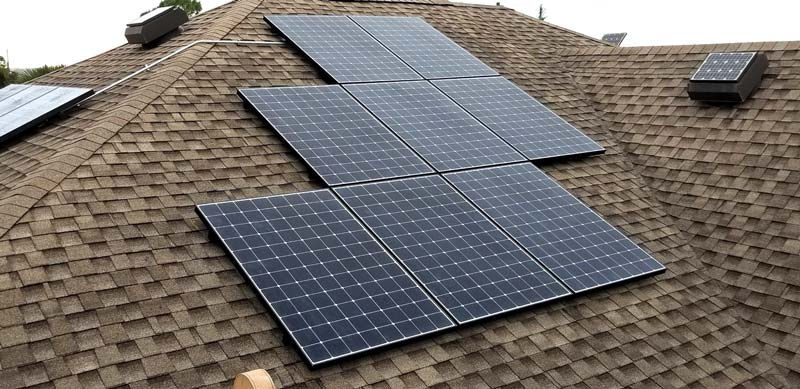
2. Asphalt Shingle Roofs: Most Common & Cost-Effective
Asphalt shingles are the most popular roofing material in Palm Beach Gardens—and one of the easiest to install solar panels on.
Lifespan: 20–30 years, depending on material and weather exposure
Installation: Straightforward. Installers are very experienced with mounting solar on shingles.
Cost: Lower labor costs than tile or flat roofs
Note: If your roof is nearing the end of its life, replace it before going solar. Removing panels to re-roof later is costly and avoidable.
Why it works: Affordable, compatible, and widely used, asphalt shingles are a strong match for residential solar—as long as the roof is in good condition.
3. Tile Roofs: Durable But Labor-Intensive for Solar
Tile roofs—including clay, concrete, or Spanish-style—are long-lasting and common in Florida, but present challenges for solar installation.
Lifespan: 50–100+ years (very high)
Installation Complexity: Tiles often need to be removed, replaced, or modified. Installers must use specialized flashing and take care not to crack tiles.
Labor Cost: Higher due to risk and time involved
Appearance: Aesthetically compatible with Mediterranean-style homes
Why it’s worth considering: If you already have a tile roof in good condition, it can support solar—but the process will require an experienced installer familiar with tile mounting systems.
4. Flat or Low-Slope Roofs: Great Potential with Proper Mounting
Many commercial and some residential buildings in Palm Beach Gardens have flat or low-pitch roofs.
Mounting: Requires tilt frames to angle panels correctly for sun exposure
Cost: Higher due to racking hardware, but allows for optimal panel orientation
Durability: Tar-and-gravel or membrane roofing systems can be solar-compatible
Accessibility: Easier for maintenance and future panel servicing
Why it works: With the right mounting system, flat roofs can produce nearly as much energy as angled ones, and may offer more design flexibility.
5. Roof Orientation, Pitch & Shading Are Just as Important
No matter the material, roof orientation and pitch are critical to solar performance:
Best orientation: South-facing roofs produce the most energy. East- and west-facing roofs also work but generate slightly less.
Ideal pitch: ~30° angle is optimal for fixed solar panels in South Florida. Flatter or steeper angles may require adjustment.
Shading: Tree cover, chimneys, or nearby buildings can reduce efficiency. A shading analysis is essential before installation.
At Blue Energy Electric, our team conducts a full site assessment to determine solar viability based on your roof’s material, slope, age, and sun exposure.
Why Does Roof Type Matter for Solar Panels?
The type of roof you have directly affects the performance, safety, and cost-efficiency of your solar panel system. In a coastal climate like Palm Beach County, where weather, wind, and heat exposure are major considerations, roof characteristics must be carefully evaluated before installing solar.
Here’s how roof angle, direction, material, and structural factors influence solar energy production and system longevity:
1. Roof Angle (Pitch) Impacts Sun Exposure
The pitch of your roof—measured in degrees—determines how much direct sunlight your panels receive.
In South Florida, an optimal fixed pitch is typically around 30° to capture the most sunlight throughout the year.
Roofs with flatter pitches (<15°) may require tilted racking systems to increase solar efficiency.
Steep roofs (>45°) can still support solar, but panel orientation must be carefully planned to avoid shading and maximize exposure.
A poorly pitched roof may reduce solar output by several percentage points annually, depending on your system layout and orientation.
2. Roof Direction (Azimuth) Affects Energy Production
South-facing roofs offer the highest solar yield in Florida.
East- or west-facing roofs can still be effective but may generate 10–20% less energy over the year.
North-facing roofs are generally avoided unless panel tilt can be adjusted significantly.
Your installer should perform a solar azimuth analysis to determine the ideal panel layout based on your roof’s directional exposure.
3. Roofing Material Influences Installation Method and Durability
Different roofing materials affect how panels are mounted, how long your system will last, and how much labor is involved:
Metal roofs are highly compatible with solar and can outlast the panels themselves. Standing seam metal allows clamp-based mounting without drilling.
Asphalt shingles are common and easy to work with, but they must be in good condition before installation.
Tile roofs (clay or concrete) are durable but require extra labor, care, and specialized mounting equipment to avoid breakage.
Flat or low-slope roofs often need custom racking systems to achieve the proper tilt and avoid water pooling issues.
The goal is to pair the solar system's lifespan (25+ years) with a roof that won’t need major work during that time.
4. Wind Load and Hurricane Concerns in Coastal Florida
Palm Beach County falls within a high-velocity hurricane zone, which means all rooftop installations must be engineered to meet local wind uplift and structural codes.
Roof type and structure influence how solar panels are mounted and secured.
Proper mounting systems must account for wind load calculations based on the building height, roof slope, and exposure.
Weak or aging roofs may require reinforcement or replacement before solar installation is permitted.
Failing to account for wind load can result in unsafe installations or code violations, especially in high-wind coastal zones.
5. Local Permitting and Building Code Compliance
In Palm Beach County, solar installations must comply with Florida Building Code (FBC) and local zoning regulations. Roof type impacts:
Mounting hardware requirements
Fire ratings and electrical setbacks
Inspection points and structural documentation
Different roof materials require different permits and inspection procedures. An experienced local installer like Blue Energy Electric ensures that your solar project is fully compliant and approved without delays.
How Does Palm Beach Gardens Climate Affect Roof Choice?
The climate in Palm Beach Gardens plays a major role in selecting the right roof for solar compatibility and long-term durability:
High solar exposure (~2,800–3,000 sun hours/year) makes solar viable on most roof types.
Located in a hurricane-prone zone, roofs must meet ASCE 7-16 wind uplift codes for structural safety.
Salt air, humidity, and UV exposure accelerate roof wear—favoring materials like metal or tile over wood or low-grade shingles.
Reflective roofing helps reduce cooling loads, lowering indoor temperatures and improving overall energy efficiency.
Choosing the right roof ensures better performance, lower maintenance, and compliance with local building codes.
Which Roof Type Is Right for Your Solar System?
Here’s a quick summary comparing roof types for solar compatibility in Palm Beach Gardens:
Roof Type | Solar Compatibility | Notes |
Metal (Standing Seam) | Excellent | No drilling, long lifespan |
Asphalt Shingle | Very Good | Common and cost-effective |
Clay/Concrete Tile | Moderate | Strong but labor-intensive to install |
Flat Roof | Good | Needs racking, flexible design |
Which Roof Types Are Least Suitable for Solar Panels?
Not all roofs are ideal for solar panel installation. Certain materials present safety risks, installation challenges, or long-term durability issues—especially in Florida’s humid climate.
Wood Shake Roofs
Often restricted by fire codes and insurance policies
Fragile under foot, making installation risky
Prone to moisture damage and pests in humid environments like Palm Beach Gardens
Slate Roofs
Extremely brittle, leading to breakage during installation
Incompatible with standard mounting systems
Labor-intensive, which significantly raises installation costs
For these roof types, solar may require additional preparation, or alternative solutions should be considered.
What Roof Pitch Is Best for Solar Panel Efficiency?
In South Florida, the ideal roof pitch for solar panels is between 25° and 35° to capture maximum year-round sunlight.
Flat or low-slope roofs require tilt mounting systems to optimize sun exposure.
Adjusting panel angles seasonally is possible with certain racking systems but usually not necessary for fixed residential setups.
Proper pitch improves energy output and reduces dirt accumulation on panels.
Let’s Find the Best Solar Fit for Your Roof
Choosing the right solar setup starts with understanding your roof. At Blue Energy Electric, we help Palm Beach Gardens homeowners and business owners:
Evaluate roof condition and solar readiness
Recommend the best mounting system for your roof type
Perform safe, code-compliant installations tailored to Florida’s climate
Provide maintenance plans to protect your system over time
Call us today at 772-232-6594
Or request a consultation online to get expert help choosing the best solar solution for your home.


Comments